Sonno Notte Comfort Mattress Topper

Material Deep Dive: Memory Foam vs Latex in Sleep Quality and Support

A couture exploration of two iconic mattress materials, memory foam and latex, through the lens of sleep science, texture, temperature, and longevity. This is a guide for the curious reader who wants to understand how contour, bounce, and cooling interplay with body weight, movement, and personal comfort preferences. We’ll walk you through practical guidance, scenario-based recommendations, and a few fashion-forward picks to elevate your bedding knowledge—without the noise of hype, only the language of evidence and experience.

Memory Foam: Contouring Calm and Quiet Confidence

Memory foam is renowned for its slow-response contouring. When you press into a memory foam layer, it cushions the body with a forgiving embrace that distributes weight evenly and can relieve high-pressure areas in the shoulders, hips, and ankles. The trade-off is a distinct sense of “sinking” for many sleepers, which can translate into a feeling of security for some and a lack of bounce for others. Over time, memory foam can adapt to your body’s shape, offering a consistently supportive impression that can reduce tossing and turning for certain sleep styles.

Key characteristics include:

  • Pressure relief with a high degree of contouring.
  • Reduced motion transfer, useful for couples.
  • A tendency to retain heat in some formulations, though modern cooling infusions have mitigated this issue.
  • Durability influenced by density; higher density generally means longer-lasting support and less indentation.

In practical terms, memory foam shines for side sleepers who benefit from targeted shoulder and hip relief, as well as individuals who prefer a more enveloping feel that minimizes movement disturbances. If you are a hot sleeper or prefer a more buoyant sensation, you may look for memory foam with cooling gel, graphite infusions, or open-cell structures designed for airflow. The memory foam landscape has evolved into a spectrum of firmness options, density metrics, and proprietary foams, each promising its own version of comfort.

Latex: Responsive Lift, Natural Breathability, and Durable Comfort

Latex offers a different tactile relationship with the body. It is known for a responsive bounce that restores quickly after movement and a buoyant, springy feel that many sleepers describe as supportive and invigorating. Natural latex tends to sleep cooler than many memory foams due to its open cell structure and inherent breathability. The material is often favored by people who want a more pronounced lift under the hips and shoulders, or who enjoy a lighter, springy sensation rather than a sinking feeling.

Key characteristics include:

  • Immediate response and bounce, with quicker recovery than memory foam.
  • Excellent temperature regulation, particularly in natural latex variants.
  • Durability and longevity; latex often outlasts many foam alternatives when properly cared for.
  • Varieties including Dunlop and Talalay processes, each offering distinct feel and density ranges.

Latex is especially appealing for combination sleepers and those who share a bed. If you’re seeking a balanced mix of support and lift without the sensation of sinking, latex can be the standout option. For hot sleepers, the natural breathability of latex is an especially compelling advantage, particularly in environments where airflow and temperature control matter as much as the feel of the surface itself.

Scenario-Based Guidance: Which Material Fits Your Sleep Profile?

To translate material theory into daily decision-making, consider how you sleep, your body type, and your temperature preferences. Below are a few archetypes and tailored recommendations to help you navigate the memory foam vs latex dialogue with confidence.

A. Side sleepers seeking targeted relief

Memory foam’s contouring can smooth pressure points at the shoulders and hips. If you crave a sumptuous cradle, a higher-density memory foam with a cooling layer can deliver relief without excessive heat retention. For a seasonal balance, you might pair memory foam with a breathable mattress topper to modulate airflow.

B. Combination sleepers who move through zones

Latex offers a lively, responsive surface that responds quickly to shifting weight. If you want that quick-pressure relief when sleeping on your side, followed by buoyant support when on your back or stomach, latex can deliver the dynamic surface you crave. Combine latex with a breathable cover to maximize cooling performance.

C. Hot sleepers and those who crave cool sleep

Latex’s natural breathability is a compelling advantage for cooling. Memory foam with phase-change materials or gel-infused foams can mitigate heat buildup. If temperature is a top concern, seek out a latex or memory foam hybrid with high airflow, plus a sheet set designed for temperature regulation.

D. Longevity and value seekers

Latex often demonstrates formidable durability, while high-density memory foam can also offer long-lasting support. Consider your budget, desired feel, and warranty terms. A well-chosen latex layer may outlast several memory foam configurations, but density and build quality matter across the board.

Care, Durability, and Maintenance: Preserving Your Material’s Magic

Both memory foam and latex benefit from thoughtful care to maximize lifespan and performance. Here are practical guidelines to keep your surface thriving.

  • Use a breathable, washable cover to protect the surface and enhance airflow around the material.
  • Avoid placing the mattress directly on a damp floor or in spaces with high humidity; ensure proper ventilation.
  • Follow manufacturer-recommended rotation schedules to promote even wear. Memory foam tends to develop body impressions; rotating helps distribute pressure.
  • Keep temperature and humidity in check; excess moisture can affect foam structure and longevity.
  • For latex, avoid prolonged exposure to direct sunlight that could degrade the natural materials over time; opt for shade and airflow to prolong life.

In practice, repeatable rotation and gentle cleaning are your friends. If you ever notice unusual odors, excessive softening, or significant indentations, consult the warranty terms and consider a professional assessment to ensure continued support and comfort.

What the Science Says: Evidence, Not Hype

Sleep science has long studied how surface properties influence spinal alignment, pressure distribution, and sleep quality. While personal preference remains a central pillar of mattress selection, empirical findings guide us toward a balanced understanding of how memory foam and latex interact with the body and the sleep environment.

Key takeaways include:

  • Memory foam’s contouring can reduce peak pressures and promote stability in many sleep positions but may elevate heat for some users unless cooling technologies are integrated.
  • Latex provides faster response and better edge support in many configurations, with superior breathability in natural variants—helpful for cooler sleep climates and dynamic repositioning during the night.
  • Durability is influenced by density, construction, and maintenance. Neither material is inherently superior in all contexts; alignment with sleeping style and climate is critical.

Three Key Figures Across Time: Voices That Shaped Sleep and Comfort

From the lamp-lit laboratories of the early 20th century to contemporary design studios, thinkers and makers have shaped our understanding of how we sleep. Here are three pivotal individuals—each from a different era—whose ideas resonate with the material conversation of memory foam and latex.

1) Leonardo da Vinci (1452–1519)

Though famed for art and invention, Leonardo’s interest in human anatomy and ergonomic principles foreshadows modern concerns about spinal alignment and comfort. His notebooks reveal a curiosity about how structure and form can support human activity. In the context of mattresses, his cross-disciplinary spirit invites us to be mindful of balance between support and flexibility—the universal tension that underpins both memory foam and latex innovations.

2) Florence Nightingale (1820–1910)

Pioneer of modern nursing and a relentless advocate for sanitation, Nightingale’s insistence on evidence-based care echoes today’s demand for data-driven sleep science. Her emphasis on environment as a determinant of well-being speaks to the bed’s role as a sanctuary: material choice, cover quality, and humidity control all contribute to a healthier sleep ecosystem. Her legacy invites us to interrogate comfort with rigor and care for the sleeper’s whole environment.

3) Dr. Lisa E. Williams (born 1968)

A contemporary sleep scientist and educator, Dr. Williams has popularized accessible explanations of sleep stages and ergonomics for a broad audience. Her work underscores that comfort is multidimensional: posture, surface, temperature, and routine all harmonize to improve sleep quality. In the memory foam vs latex dialogue, her approach encourages readers to seek collaborative evidence—piloting, testing, and choosing the surface that aligns with their physiology and lifestyle.

Product Spotlight: Curated Layer for Luxe Sleep

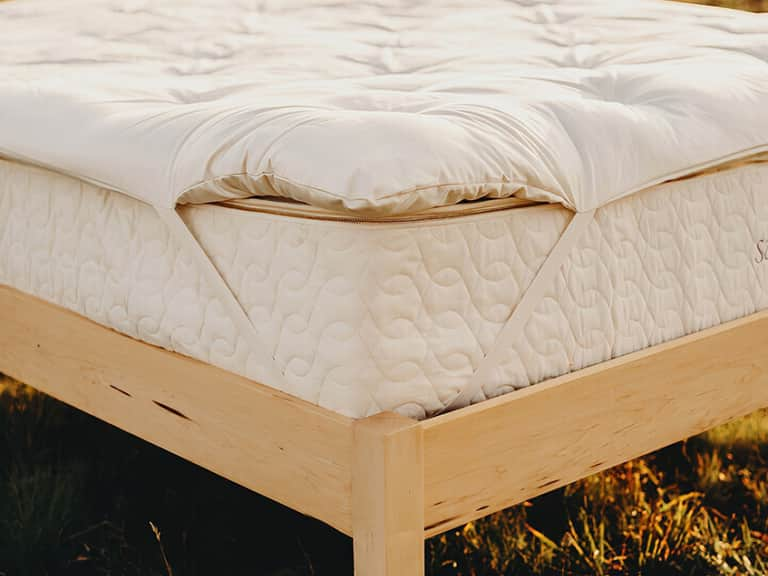
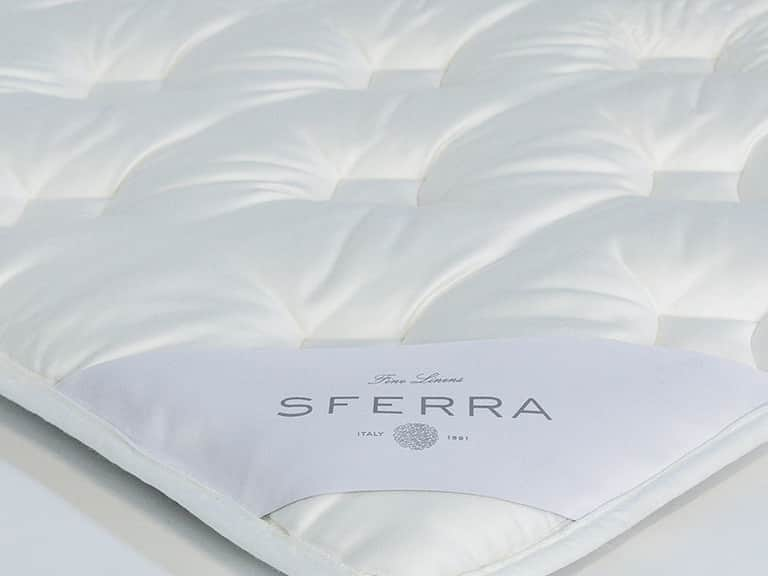
To illustrate practical application, consider a premium topper that blends luxury materials with breathable performance. The Sonno Notte Comfort Mattress Topper embodies a couture approach to topper design: cashmere, silk, and wool interlaced with aerated gel foam, finished with silk blend Belgian damask ticking. This layering solution demonstrates how a high-end topper can introduce contour, temperature control, and a touch of opulence without overhauling your core mattress.

Sonno Notte Comfort Mattress Topper

Sonno Notte Comfort Mattress Topper

Made to order in the USA, this topper combines cashmere, silk and wool with aerated gel foam for breathable, stable comfort topped by silk blend Belgian damask ticking.

Price: $890.00

Savvy Rest Natural Savvy Woolsy Mattress Topper

Savvy Rest Natural Savvy Woolsy Mattress Topper

The Woolsy is designed to provide superior pressure relief with premium natural wool, housed in a certified organic cotton cover. Wool’s antimicrobial properties and moisture-wicking prowess keep you cool in summer and warm in winter.

Price: $649.00

These toppers illustrate how layering can refine your sleep experience—whether you crave the enveloping embrace of memory foam or the buoyant lift of latex, a thoughtfully chosen topper can tune in warmth, contour, and airflow without replacing your entire mattress. In the pages of mattress.company, we celebrate these micro-innovations that translate luxury into everyday rest, proving that the right surface can be a quiet revolution for the spine and the spirit.

Closing Thoughts: Crafting Your Sleep Identity

Memory foam and latex each tell a story of comfort, support, and personal preference. The best choice is rarely about absolutes; it’s about alignment with your sleep posture, temperature needs, and lifestyle. By understanding the physics of contouring versus bounce, and by acknowledging the value of maintenance and environmental factors, you can curate a sleep surface that feels as timeless as it does modern.

In the universe of mattress materials, your bed becomes a stage for a deeply personal performance: a wearable second skin that helps you wake refreshed, confident, and ready to conquer the day. The domain mattress.company will continue to be your laboratory of discovery—exploring materials, ranges, and the subtle alchemy that turns a mattress into a sanctuary.

Whether you lean into memory foam’s gentle cradling or latex’s responsive lift, the true luxury lies in knowing you chose with intention. Because sleep is not a passive act; it is a daily investment in your healthiest self.

This article is part of the editorial series on mattress.materials and sleep science for mattress.company. All product references are illustrative and designed to illuminate material principles rather than to promote commerce.

Related Products

Sonno Notte Comfort Mattress Topper

Sferra

Sonno Notte Comfort Mattress Topper

Experience breathable, structured comfort with layered cashmere, silk, wool and aerated gel foam, topped by luxurious silk damask. Simple care, US-made on demand, for stable support and lasting ease.
Savvy Rest Natural Savvy Woolsy Mattress Topper

Savvy Rest · No. SAVVYREST-NATURAL-SAVVY-WOOLSY-3.5INCH

Savvy Rest Natural Savvy Woolsy Mattress Topper

Sleep cooler, calmer nights with cozy, antimicrobial wool that cushions joints, wicks moisture, and adapts to you—reducing tossing and turning for a blissful, allergy-friendly rest.
Mattress Topper

Casper

Mattress Topper

Upgrade any bed with breathable foam that relieves pressure and adapts to you in 2 or 3 inches, while a cozy soft-knit cover adds comfort. Easy unbox, unroll, and refresh for dorms, guests, or nightly bliss.

Theme